



In the emerald embrace of the Indian Ocean, where sun-kissed beaches whisper secrets to swaying palm trees, Sri Lanka’s beauty is undeniable. But beneath this postcard-perfect paradise lies a hidden battleground: the fight against financial crime. Enter the intricate labyrinth of Anti-Money Laundering (AML) and Counter-Terrorism Financing (CTF) regulations, where Sri Lanka is carving its own path with unique legal requirements.
Forget dusty legalese – Sri Lanka’s AML/CTF framework is a tapestry woven with diverse threads. The centerpiece is the “National Policy on Anti-Money Laundering and Countering the Financing of Terrorism (AML/CTF) of Sri Lanka.” This document, updated in 2023, acts as a strategic compass, identifying vulnerabilities and charting a course for robust compliance.
But the real intrigue lies in the implementation: a layered hierarchy of legal instruments that cascades from the lofty heights of policy down to the practical trenches of daily operations. Imagine a pyramid, each level holding a vital piece of the puzzle.
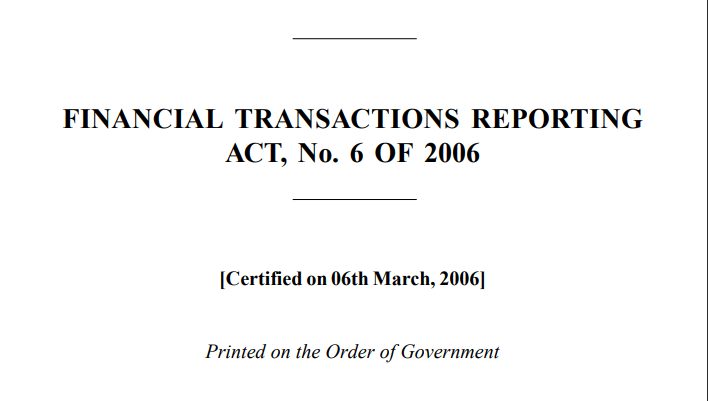
At the base, the Financial Transactions Reporting Act, Prevention of Money Laundering Act and Convention on the Suppression of Terrorism Fiannscing Act lay the firm foundation. They folrm the bedrock, outlining the fundamental obligations for designated businesses and professions, from jewelers to lawyers, accountants to real estate agents. These businesses are the gatekeepers, tasked with vigilant identification and reporting of suspicious activity.
Next, the “AML/CTF Rules” add another layer of complexity. Think of them as blueprints, dictating the specific procedures and controls each designated business must implement. Customer due diligence, transaction monitoring, and suspicious activity reporting – these are the weapons in the arsenal against financial crime.
But wait, there’s more! Each designated business must build its own bespoke defense system – the “AML/CTF Program.” This document, tailored to the organization’s specific risk profile, translates the broad strokes of the rules into actionable steps. It’s the battle plan, customized for a specific sector and its unique vulnerabilities. It provides the nitty-gritty details, the precise instructions for every frontline soldier in the fight against financial crime. From verifying customer identities to monitoring transactions, this manual ensures consistent implementation on the ground.
Sri Lanka’s AML/CTF framework is not just a static labyrinth; it’s a dynamic ecosystem, constantly evolving with new threats and changing landscapes. The “National Risk Assessment,” conducted periodically, acts as a reconnaissance mission, identifying emerging vulnerabilities and prompting adjustments to the framework.
This multi-layered, evolving approach is the key to Sri Lanka’s success in combating financial crime. It ensures comprehensive coverage, tailored implementation, and continuous adaptation – a testament to the island nation’s commitment to safeguarding its economic and security interests.
So, as you bask in the tropical splendor of Sri Lanka, remember that beneath the surface lies a complex, fascinating, and ultimately successful battle against financial crime. The story of Sri Lanka’s AML/CTF framework is not just about legal obligations; it’s about protecting a paradise, ensuring that its beauty remains untainted by the shadows of illicit activity.

Leave a Reply