



Sri Lanka, a beautiful island nation renowned for its beaches and vibrant culture, is also committed to keeping its financial system clean and its citizens safe. This is where Anti-Money Laundering (AML) and Countering the Financing of Terrorism (CFT) laws come in.
But what exactly are AML/CTF laws, and why are they important for Sri Lanka?
Imagine dirty money, earned through illegal activities like drug trafficking or terrorism, flowing through the financial system like a polluted river. AML/CTF laws act as filters, trying to trap these contaminants before they harm the economy and security of the country.
Sri Lanka’s AML/CTF framework rests on three main pillars:
- The Prevention of Money Laundering Act (No. 5 of 2006): This law criminalizes money laundering and defines “unlawful activities” that generate dirty money.
- The Convention on the Suppression of Terrorist Financing Act (No. 25 of 2005): This law tackles the financing of terrorism, making it illegal to provide funds or support to terrorist organizations.
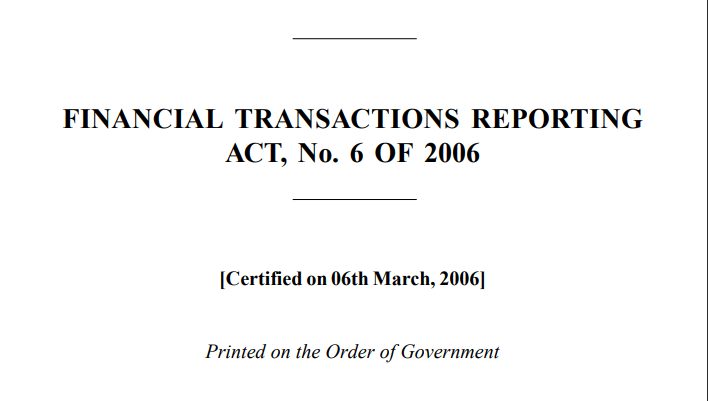
- The Financial Transactions Reporting Act (No. 6 of 2006): This law requires certain businesses, like banks and real estate agents, to report suspicious transactions to the Financial Intelligence Unit (FIU).
These laws hold teeth:
- Financial institutions: Banks and other businesses must implement Know Your Customer (KYC) procedures to verify the identity of their clients and monitor their transactions.
- Reporting obligations: Suspicious transactions, exceeding certain thresholds, must be reported to the FIU, which investigates and takes necessary action.
- Penalties: Breaching AML/CFT laws can lead to hefty fines and even imprisonment.
So, how do these laws benefit Sri Lanka?
- A strong financial system: Dirty money can destabilize the economy and erode public trust in financial institutions. AML/CTF laws help keep the financial system clean and attract foreign investment.
- Reduced crime: By cracking down on money laundering and terrorist financing, Sri Lanka can combat organized crime and terrorism, making the country safer for everyone.
- International reputation: Complying with international AML/CFT standards is crucial for Sri Lanka’s standing in the global community.
Of course, no law is perfect:
- Challenges exist: Implementing and enforcing AML/CFT laws effectively requires resources and expertise. Sri Lanka is constantly working to improve its systems and address emerging threats.
- Balancing act: Striking the right balance between security and privacy is important. Businesses and individuals should understand their obligations under the law while maintaining access to essential financial services.
In conclusion, Sri Lanka’s AML/CTF laws are a vital line of defense against financial crime and terrorism. By understanding these laws and working together, we can help keep Sri Lanka a safe and prosperous haven for all.
For further information:
- Financial Intelligence Unit of Sri Lanka: http://fiusrilanka.gov.lk/
- Ministry of Justice – National Policy on AML/CFT: https://www.moj.gov.lk/images/pdf/2023/National_AML_CFT_Policy_2023-2028.pdf

Leave a Reply